Olive Oil, Al Natural and Escabeche: How to Read Conservas Labels
By the Casavinoteca editorial team.
A conservas tin can tell you more than what seafood is inside. Its packing liquid shapes how the contents taste and how you might use them at the table. Three labels often raise questions: olive oil, al natural and escabeche. They name different styles, but the ingredient list is what tells you what a particular tin contains.
Olive oil: a packing liquid with its own character
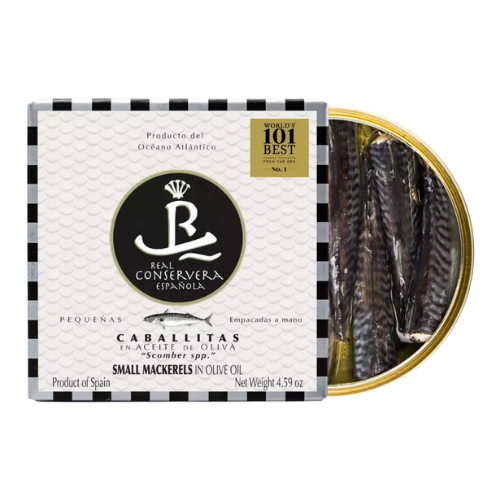
When a label names olive oil, expect the oil to be part of the experience, not just a container around the seafood. It can carry flavor from the fish or shellfish and add richness to a bite. Whether you enjoy it on the seafood, with bread or in a simple dressing depends on the dish and your taste.
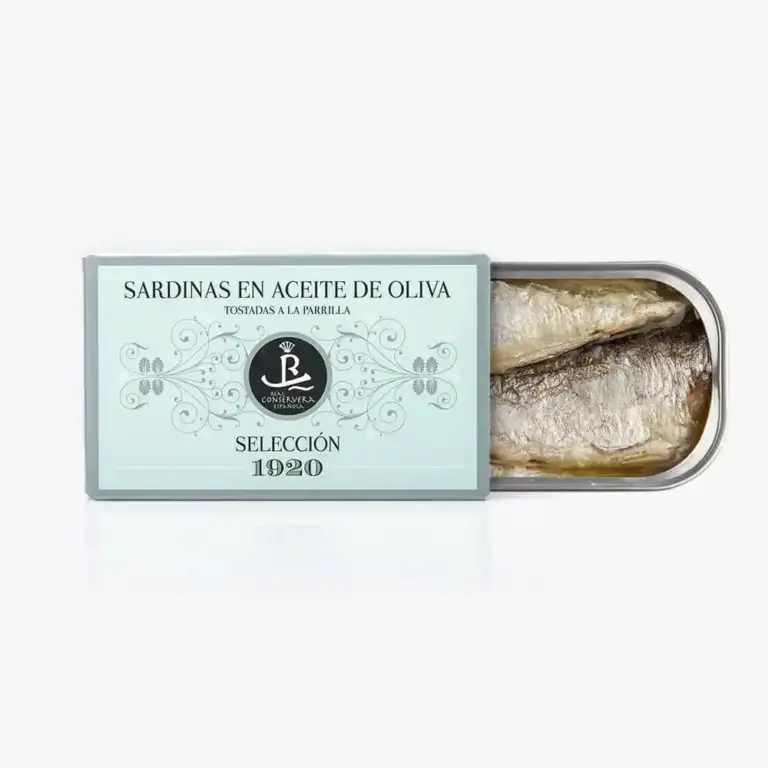
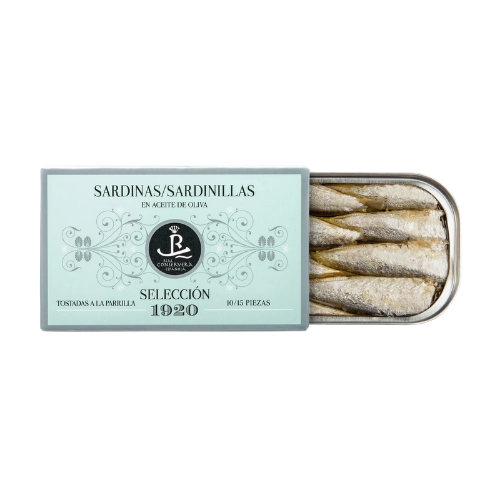
“Olive oil” does not, by itself, tell you whether it is virgin or extra virgin. Look for the exact wording in the ingredients. Producers may use different oils and recipes across products, so one tin is not evidence for every tin from the same maker. Casavinoteca’s sardines in olive oil are one catalog example; check that product’s current label details before drawing conclusions about its ingredients.
Al natural: read the words after the product name
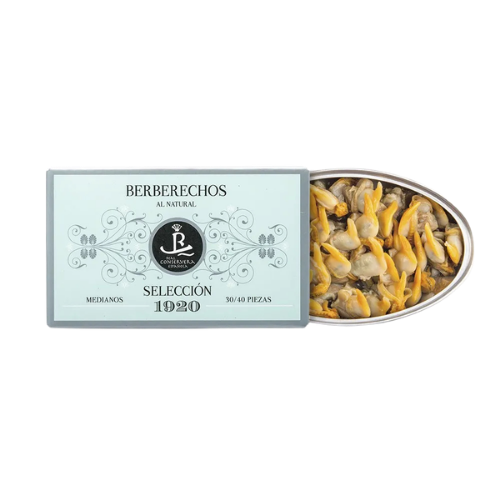
Al natural is a product-style description, not a universal recipe for the liquid in the tin. It does not automatically mean brine, mineral water or plain water. The seafood may be accompanied by a cooking broth or another preparation, depending on the product.
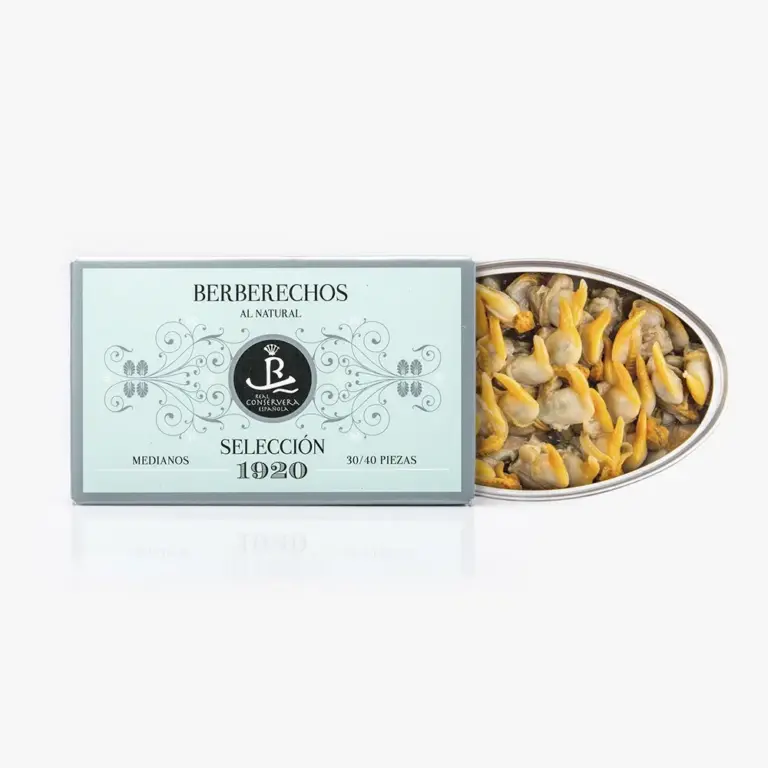
Real Conservera describes its own natural broth, or fumet, as a light seafood cooking liquid with aromatics. That is a producer-specific explanation, not a definition that applies to every product labeled al natural. For the tin in front of you, use its ingredient declaration as the deciding source. Our Natural Cockles page is a useful place to inspect a current conservas listing; if its ingredient panel is unavailable, the physical label remains the reference.
Escabeche: a seasoned, tangy style
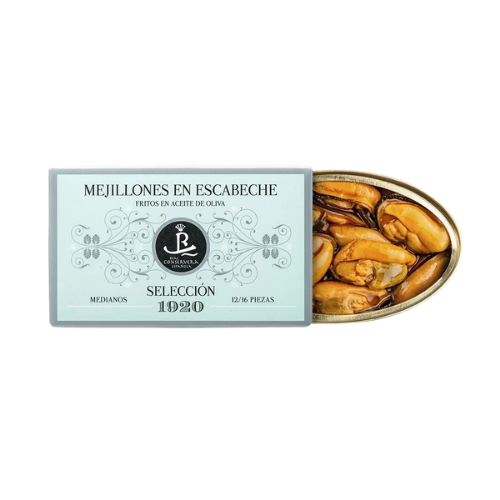
Escabeche is associated with a vinegar-led preparation, often combined with oil and seasonings. In the same producer explanation, Real Conservera describes the escabeche used for its mussels as a mixture of vinegar, oil and spices. That description explains the style: expect a more tangy, aromatic profile than a neutral-tasting liquid. The exact balance and ingredients remain product-specific, so check the label for the tin you have.
A spoonful can make sense in a dish that welcomes acidity and seasoning. Taste first, then decide whether the liquid belongs in a sauce, dressing or cooking liquid. There is no need to add it automatically; the seafood may already be balanced as served.
A quick way to compare tins
Start with the seafood species and the complete ingredient list. Then note the named liquid and any seasonings. Ask what role it plays: does it add richness, a light broth-like note or acidity? Finally, check the allergen information and any serving or storage instructions printed for that exact product. These details cannot be inferred safely from a style name alone.
The useful distinction is simple: the label term gives you a clue about the preparation, while the ingredients tell you what is actually in the tin. For another preparation style, see mussels en escabeche. For a broader introduction, read What Is Conservas?. Browse all conservas in our catalog.
Does al natural always mean seafood packed in brine?
No. The phrase alone does not establish the liquid’s ingredients. Check the ingredient declaration on the specific tin or product page.
What is escabeche?
It is a Spanish preparation associated with a vinegar-based, seasoned liquid. Exact ingredients vary, so read the product label.
Can I use the liquid from a tin in a recipe?
It can be used as an ingredient when it suits the dish; first check the label and consider the liquid’s salt, acidity and seasoning.