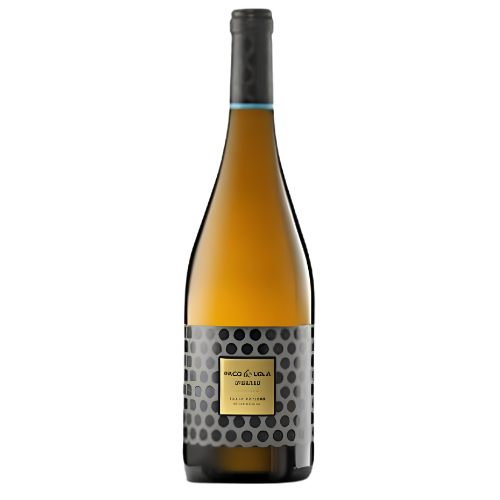
Choosing a Wine Gift: Preferences, Provenance and Care
The most useful way to choose a wine gift is to begin with the adult recipient: whether they welcome wine, what styles interest them and whether they plan to open or store the bottle. Then check its exact identity, provenance and care requirements. A recognisable name or elaborate box cannot answer those questions for you.
This guide is for adults considering a gift for another adult who already chooses to drink wine. Wine is optional; when preferences are unknown, a book, food gift or another personal item may be more appropriate.
Start with the person, not the occasion
A New Year visit, anniversary or dinner invitation gives the gift a setting, but it does not tell you what the recipient likes. Before looking at labels, ask a few ordinary questions: do they prefer red or white wines? Do they tend to choose dry or sweet styles? Are they interested in a particular region? Would they rather receive something familiar or learn about a new producer?
One specific answer is more useful than a broad description such as “they like good wine.” A photograph of a label they enjoyed can be a useful reference, provided you do not assume every wine made from the same grape will be identical. Keep the focus on the recipient’s interests rather than choosing a bottle to signal how much you spent.
If the gift is for a host, make it clear that there is no expectation to open it at the meal. Their menu and drinks may already be arranged. A short note explaining why you chose the bottle gives context without creating an obligation.
Read the bottle in four parts
Separate producer, wine name, origin and vintage. These are different pieces of information. The vintage identifies the harvest year; the wine name distinguishes a particular bottling. Neither should be replaced by a vague family or brand name when you check a listing.
For example, TEMPOS Vega Sicilia’s official history distinguishes Vega Sicilia and Alión in Ribera del Duero, Pintia in Toro, and Oremus in Hungary. Belonging to the same family does not make them the same wine or give them the same origin. The producer’s history is a useful starting point for identifying those relationships.
If these names are unfamiliar, use the Casavinoteca guide to Vega Sicilia and its wider family to orient yourself before reading the individual producer information. The purpose is to understand the bottle, not to assume that a famous family name suits every recipient.
Match the information to the intended use
| What you know about the recipient | What to establish before choosing |
|---|---|
| They expect to open the bottle soon | Whether the producer’s notes for that vintage describe current use and any service guidance |
| They collect wine | Exact wine and vintage, bottle condition and the storage history available |
| They enjoy learning about regions | An origin or producer story that connects with an interest they already have |
| They prefer white wine | The actual style and sweetness information rather than assuming all white wine is alike |
| You know very little about their preferences | Ask discreetly or choose a gift that does not depend on drinking alcohol |
Treat this as a conversation checklist, not a ranking of recipients. A collector may also value a straightforward wine for a meal, and someone new to the subject may care deeply about a place or family story.
Distinguish maturity from age
An older year on the label does not, by itself, tell you whether the bottle is suitable for the recipient’s plans. Read the producer’s guidance for the exact wine and vintage and consider the bottle’s history. An ageing estimate describes potential under specified conditions; it does not certify the condition of an individual bottle.
Valbuena 5º provides a useful label example: the producer explains that the name refers to a five-year maturation process across wood and bottle. It is not a statement that the recipient must keep the bottle for another five years. Its official wine page separates the general production method from individual vintage information. Keep those two levels separate when discussing any gift bottle.
Ask about provenance before presentation
Useful questions concern the bottle itself: can the seller identify the precise listing and vintage, explain the information available about its source and show clear bottle details? Is the stated condition consistent with the photographs? Is there any uncertainty you should understand before giving it?
Do not treat an attractive label or intact outer box as a complete condition assessment. Equally, do not infer that every cosmetic mark means the contents are damaged. Ask for an explanation rather than making a diagnosis from a photograph.
Some Vega Sicilia releases carry a producer verification system. Where applicable, use the instructions on the official bottle-verification page. That system has a stated scope; do not assume it applies to every older bottle or every wine in the wider family. Verification and storage history answer different questions.
Plan the handover and storage
The bottle’s care matters after the gift has been selected. WSET advises cool, stable conditions and protection from bright light for storage; natural-cork bottles intended for longer storage should lie on their sides. See its wine-storage guidance.
In a warm setting, avoid turning the bottle into a decorative object left in direct sunlight or a parked vehicle. Agree a practical handover and tell the recipient where to find the producer’s care notes. If they lack suitable long-term storage, choose around their actual circumstances rather than presenting cellaring as a requirement.
Packaging, a written card and delivery arrangements are separate decisions. Confirm any service directly before relying on it; a guide to choosing wine cannot establish that wrapping, temperature-controlled transport or a particular delivery date is available.
A final check before giving the bottle
Confirm that the recipient welcomes wine, the exact bottle matches what you intended, and the condition and care information are clear. Add a simple note with the wine name, vintage and the reason you selected it. That gives the recipient something useful to keep even if they set the bottle aside for another occasion.
Frequently asked questions
Does a wine gift need to be expensive?
No. Start with a budget you are comfortable with and the recipient’s preferences. A price or reputation cannot establish that a bottle matches their taste, plans or storage situation.
Is an older vintage automatically a better gift?
No. Consider the exact wine, producer guidance and individual bottle history. Age alone does not establish maturity, condition or suitability for opening on a particular date.
Should the recipient open the gift immediately?
There is no need to create that expectation. Let the recipient decide when to use it and provide the identity and care information that helps them make that decision.
Sources
Checked 13 November 2026. The checklist is editorial guidance; producer facts are attributed above.