
Godello, Albariño or Furmint? Read the White-Wine Label
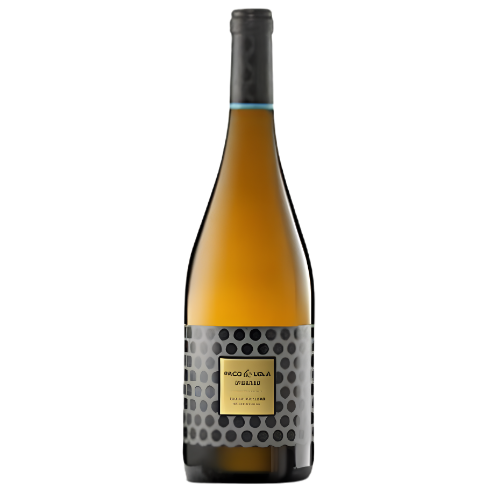
A white-wine label can give you a grape name, a place, a producer and a cuvée name—but those details answer different questions. Compare O Luar do Sil Godello, Paco & Lola Prime and Oremus Mandolás, and you can see why the grape alone never tells the whole story.
By the Casavinoteca editorial team.
Start with the grape, then read the place
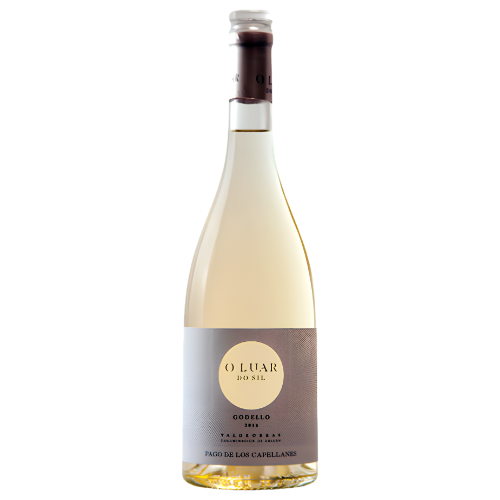
Godello is the grape variety named on O Luar do Sil. Its producer identifies Valdeorras, in Galicia, as its origin. That pairing—grape plus place—gives you more information than either name alone. (Producer page)
The grape points to what is in the bottle; the appellation identifies its regulated origin. On Paco & Lola Prime, the producer lists 100% Albariño, the Rías Baixas appellation and Val do Salnés as its subzone. That is more precise than reading “Albariño” alone. The denomination’s general tasting guide describes a range of fresh, balanced, fruit-led wines, but it also says palates differ. Treat that as regional context, not a promise that every Albariño tastes alike. (Paco & Lola product page; Rías Baixas guide)
A place name may lead; the grape may follow
Labels do not all put the grape in the same visual position. A bottle may foreground a region or a producer’s cuvée name, so check the back label or technical sheet for the variety and appellation. On O Luar do Sil, “Godello” is prominent. On Paco & Lola Prime, “Prime” is the cuvée name; it does not replace the grape and origin information.
Tokaj does not automatically mean sweet
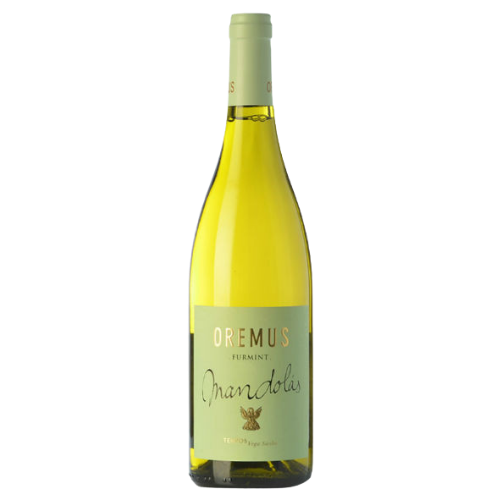
Oremus Mandolás 2021 shows why the grape, cuvée and place should be read together: the winery’s technical sheet names Furmint as the variety, while Oremus describes Mandolás as a dry white from Tokaj. Tokaj is also known for sweet wines, so the region name alone does not tell you the style. (2021 winery sheet; Oremus winery)
Four label clues worth checking
- Grape or blend: Is a variety named? Is the wine single-variety or blended? Verify from the producer when the label is unclear.
- Origin: Look for the appellation and, where shown, a smaller subzone. These tell you where the wine comes from, not exactly how it will taste.
- Producer and cuvée: The brand or cuvée name can identify a particular style or line. Do not assume similar names mean identical production.
- Vintage and technical details: The year refers to the harvest, while production notes can vary between releases. Match those notes to the exact vintage in your hand.
For a closer look at the three examples, see O Luar do Sil Godello, Paco & Lola Prime and Oremus Mandolás. Browse the white-wine category or revisit three beginner tasting steps if you want to connect label details with what you notice in the glass.
Is every Tokaji wine sweet?
No. Oremus lists both sweet wines and dry whites such as Mandolás. Check the specific cuvée and its style rather than assuming from the region name.
Does the grape name tell me exactly what the wine will taste like?
No. Grape is one clue. Origin, vintage and winemaking also matter, and producers’ descriptions apply to specific wines or releases.
Wine prices and online wine orders are available to members aged 20+ who have completed identity verification (KYC), subject to the membership conditions shown on the website.
