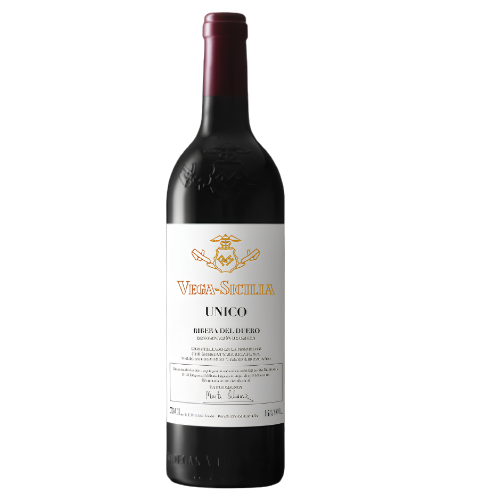
What Is Toro Wine? A Guide to Tinta de Toro and Its Region
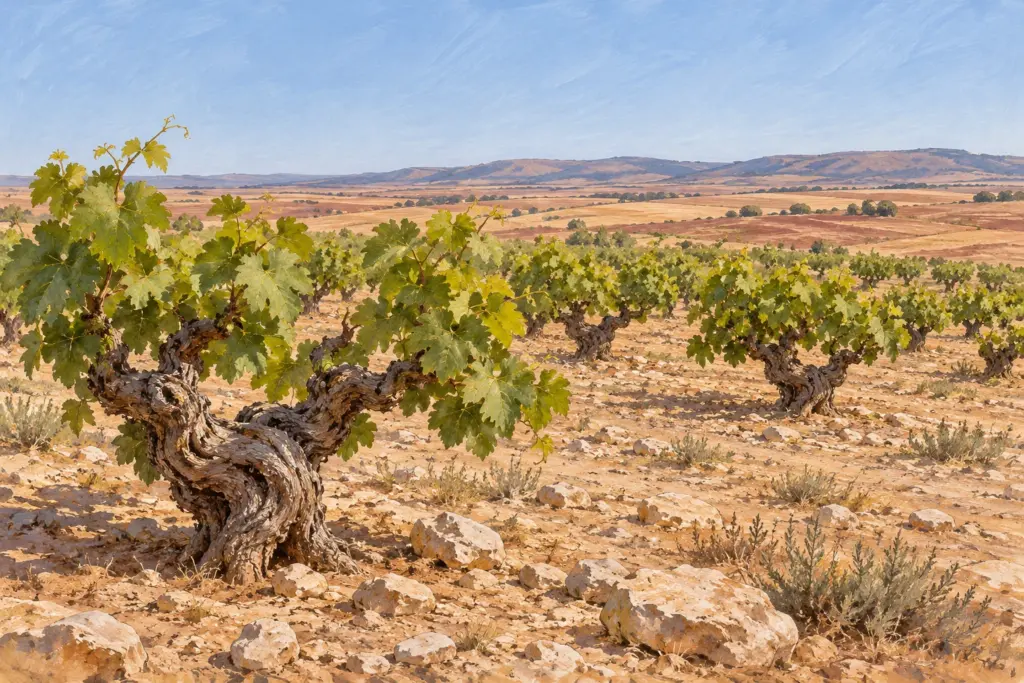
Toro wine comes from a protected wine region in Castilla y León, Spain. Its leading grape is Tinta de Toro, the regional name for Tempranillo. Sun, a dry continental climate and a heritage of old vines help explain the area’s identity, while individual vineyards and producers give its wines different expressions. Regional authority
By the Casavinoteca editorial team.
Where is Toro, and what shapes its vineyards?
The appellation extends through parts of Zamora and Valladolid in western Castilla y León. The Consejo Regulador describes a continental, semi-arid climate. Vineyard soils vary, including sandy, gravelly and clay-influenced ground, with vineyards at approximately 620–870 metres above sea level. D.O. Toro geography
That combination gives a better starting point than the word “powerful” alone. Regional climate sets the broad growing conditions, while a particular slope, soil and exposure bring the discussion down to the vineyard. Toro is a landscape of sites, not one recipe repeated across an appellation.
The regional agricultural authority links the area’s climate, soils, bush-vine training and old-vine heritage to the colour and structure of its wines. These elements connect farming with wine style: a description of tannin or body begins in the vineyard, before decisions about fermentation and oak. ITACyL on the link with origin
Tinta de Toro: a familiar grape with a local identity
The European Commission lists Tinta de Toro as a synonym of Tempranillo associated with Toro. You may therefore encounter a familiar grape under a regional name. The name preserves a connection with this landscape rather than indicating an unrelated variety. European Commission grape list
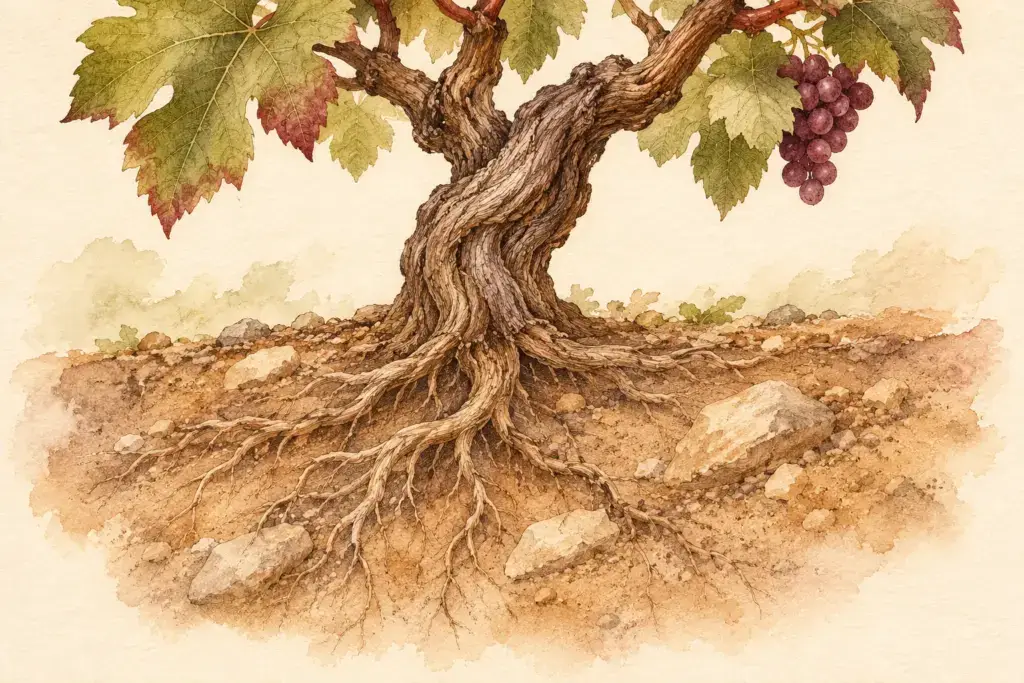
The council describes old bush-trained vineyards, including ungrafted vines. Bush training gives the vine a low, freestanding form; “ungrafted” means it grows on its own roots. This surviving vineyard heritage is an important part of Toro’s story. It also explains why a producer may spend as much time discussing a parcel as the grape variety. D.O. Toro’s vineyard heritage
Toro also includes Garnacha Tinta and authorised white grapes such as Verdejo, Malvasía Castellana, Albillo Real and Moscatel de Grano Menudo. Red wines are prominent, but the appellation produces white and rosé wines too. Authorised grapes
Understanding body, tannin and freshness
Three ideas help explain the language used around Toro reds. Body describes weight and fullness in the mouth. Tannin contributes texture and a drying sensation. Freshness describes the balancing impression that keeps a concentrated wine from feeling heavy. These dimensions can coexist; one need not cancel the others.
When a producer describes a wine as both full-bodied and refined, read that as a discussion of structure and texture together. Concentration does not automatically mean coarse tannins, just as a polished texture does not imply light body. This vocabulary is more useful than reducing a whole region to “strong wine.”
Winemaking adds another layer. Picking decisions, extraction and maturation shape how vineyard material becomes a finished wine. Pintia’s producer, for example, discusses harvest timing and changes in extraction and oak across vintages, with freshness as a recurring objective. This is a concrete example of how the same estate responds to different growing seasons. Pintia release descriptions
Two producer approaches to the landscape
Pintia, part of TEMPOS Vega Sicilia, is rooted in D.O. Toro. Its producer describes pebble-rich soils beside the Duero and the importance of harvest timing. Its release notes are useful for studying the relationship between ripeness, extraction and oak in a particular vintage. Pintia
Teso La Monja, the Eguren family’s Toro project, describes parcels with lower sun exposure and surface gravel over deeper clay. Its account emphasises the relationship between drainage, water retention and gradual ripening. The portfolio includes Victorino and Alabaster; the Alabaster page specifically identifies pre-phylloxera Tinta de Toro vineyards. Teso La Monja vineyards, Alabaster
These examples reveal why a regional guide benefits from looking at producers. The place provides shared context; the parcel selection and cellar approach supply more specific detail. Neither example stands for every Toro vineyard.
A practical way to read a Toro bottle
| Detail | What it tells you |
|---|---|
| D.O. Toro | The protected appellation |
| Tinta de Toro or another variety | Grape information, when specified |
| Producer and cuvée | The estate and individual wine |
| Vintage | The harvest to match with a release sheet |
| Maturation details | How that release was developed before bottling or release |
For concrete catalogue examples, read Pintia 2020 and Victorino 2021. Continue with the Spanish wine guide to place Toro alongside Ribera del Duero and Rioja. These are separate appellations, even when a group makes wines in several of them.
For service, begin with the producer’s instructions for the wine and vintage. A fixed decanting time is less useful than understanding the bottle’s age, condition and the purpose of decanting. Keep a note of the release details alongside any personal observations about fruit, oak and texture.
Questions about Toro wine
Is Toro wine always red?
No. Toro also produces white and rosé wines. Read the individual wine’s type and grape information rather than relying only on the region’s red-wine reputation.
Is Tinta de Toro a different grape from Tempranillo?
Tinta de Toro is a recognised regional synonym of Tempranillo. The local name connects the variety to Toro’s growing conditions and vineyard traditions.
Are Pintia and Alabaster from the same producer?
No. Pintia belongs to TEMPOS Vega Sicilia; Alabaster is a Teso La Monja wine in the Sierra Cantabria portfolio. Both are associated with Toro.
Sources
Official sources checked 13 November 2026: ITACyL, D.O. Toro geography, grapes and vineyard heritage, European Commission grape synonyms, Pintia, Teso La Monja, Alabaster.